Cooking and Tips: The Complete Guide to Becoming a Better Home Cook
Why Most Home Cooks Plateau (And How to Break Through)
Most people who cook regularly hit an invisible ceiling. They have a handful of dishes they can make on autopilot, a few techniques they trust, and a vague sense that “real” cooks know something they don’t. The truth is less mystical than it seems. The gap between an average home cook and a confident one rarely comes down to talent or expensive equipment. It comes down to a small set of fundamentals applied consistently: how you season, how you control heat, how you treat your ingredients before they ever hit the pan, and how you taste as you go.
This guide walks through the cooking habits, techniques, and mental shifts that separate frustrating evenings from genuinely enjoyable ones. None of it requires a culinary degree. Most of it requires only that you slow down for the first minute of every dish and pay attention.
Start with the Mise en Place Habit
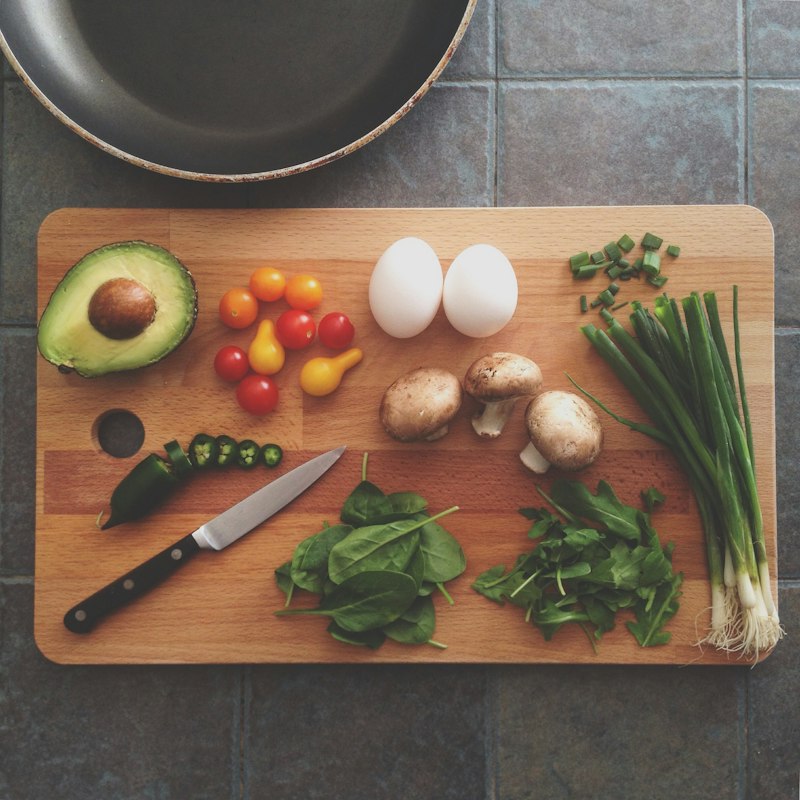
The single biggest upgrade a home cook can make has nothing to do with technique. It is the habit of preparing every ingredient before any heat is applied. The French call this mise en place, literally “putting in place.” In practice, it means chopping your onions, measuring your spices, mincing your garlic, opening your cans, and lining everything up within arm’s reach of the stove before you turn on a single burner.
Cooks who skip this step end up burning garlic while they chop bell peppers, scorching the bottom of a pan while they hunt for the soy sauce, or undercooking a protein because they got distracted measuring rice. Cooks who embrace this step move through recipes calmly because there are no more surprises after the heat starts.
The added benefit is that you read the entire recipe before you begin, which catches the moment when you realize the marinade needed two hours, or that you do not actually have any cumin. Reading the whole recipe first sounds obvious. Almost no one does it.
Sharp Knives Are a Safety Feature, Not a Luxury
A dull knife slides off a tomato skin, slips off an onion’s curve, and slides toward your fingers under pressure. A sharp knife bites into food immediately and goes exactly where you push it. Sharp knives cause fewer injuries, not more.
You do not need a drawer of specialty blades. A solid eight-inch chef’s knife, a paring knife for small work, and a serrated bread knife will cover ninety-five percent of home cooking. Hone the edge with a steel before each session and have the blade properly sharpened by a service or with a whetstone every few months, depending on how often you cook.
Learn the basic grip: pinch the blade between thumb and forefinger just in front of the bolster, wrap the remaining three fingers around the handle. Curl the fingertips of your other hand under, using your knuckles as a guide for the blade. This grip feels awkward for about a week and natural for the rest of your life.
Salt Earlier Than You Think, in Layers
Salting only at the end of cooking is one of the most common mistakes that keeps home food tasting flat. Salt does two things beyond making food taste salty: it draws moisture out of ingredients, concentrating flavor, and it changes the structure of proteins, helping them retain juices and brown properly.
Salt meat at least forty minutes before cooking, or even the night before for thicker cuts. The salt initially pulls moisture to the surface, then over time that moisture is reabsorbed along with the seasoning. The result is a piece of meat that is seasoned through, not just on top.
Salt vegetables as they cook, not just at the end. A pinch when onions hit the pan helps them release water and soften faster. Salt pasta water until it tastes pleasantly seasoned; this is the only chance to season the pasta itself.
Use kosher or coarse sea salt for cooking and reserve fine table salt for baking. The larger flakes are easier to pinch and distribute by hand, which is how experienced cooks season most of the time.
Heat Management: The Skill Nobody Teaches
Most home cooks use only two settings: high and off. Recipes often fail not because the technique was wrong but because the burner was wrong. A few principles:
Preheat the pan, then add the fat. A cold pan with oil heating slowly causes sticking and uneven browning. A properly heated pan, with oil added and given a moment to shimmer, creates a near-nonstick surface even on stainless steel.
Crowding kills browning. When food touches the pan, it releases water. That water has to evaporate before browning can begin. If you crowd the pan, the water cannot escape fast enough and your food steams in its own juices, ending up grey and rubbery. Cook in batches if you have to. The extra five minutes are worth it.
Match the burner to the cookware. A small saucepan over a large burner wastes energy and can scorch the sides. A large pan over a small burner heats unevenly. The flame or coil should roughly match the base of the vessel.
Residual heat is real. Pull eggs from the heat when they look slightly underdone; they will finish in the pan. Rest meat off the heat for several minutes so juices redistribute. Pasta continues cooking in hot sauce. Plan for the cook that happens after the heat is off.
Taste as You Go
Professional kitchens have a tasting spoon at every station. Home cooks often plate a dish having never tasted it. This is the single most important corrective tool available, and it costs nothing.
Taste a sauce as it reduces, not just when it is finished. Taste vegetables for doneness rather than trusting a timer. When something tastes off, ask three questions in order: does it need salt, does it need acid, does it need fat? Salt amplifies existing flavors. Acid (lemon, vinegar, wine, tomato) brightens dull or heavy dishes. Fat (butter, oil, cream, cheese) rounds out sharp edges and carries flavor across the palate.
If a dish tastes flat, it almost always needs salt or acid before it needs more of any seasoning. If it tastes harsh, it usually needs fat or a touch of sweetness. Spice and herb adjustments come last, after the foundation is balanced.
Build a Pantry That Works for You
A useful pantry is not a large one. It is a thoughtful one. The goal is to be able to cook a satisfying meal on a night when you did not shop, using whatever fresh ingredient is still in the fridge.
Stock the basics that anchor most cuisines: good olive oil for finishing, a neutral oil for high-heat cooking, kosher salt, whole black peppercorns, soy sauce, a vinegar or two (sherry or rice wine vinegar are versatile), dried pasta, rice, canned tomatoes, canned beans, canned tuna or sardines, stock or bouillon, garlic, onions, lemons, eggs, and a hard cheese like parmesan.
Add aromatics that match the food you actually want to eat. A cook who gravitates toward Italian and French food needs dried oregano, thyme, bay leaves, and capers. Someone drawn to East Asian cooking needs toasted sesame oil, fish sauce, and chili crisp. Build outward from your real eating habits, not from aspirational recipes.
Date your spices when you open them. Ground spices lose their punch in roughly six months. If you cannot remember when you bought the cumin, it has probably been there too long.
Acid and Fat: The Forgotten Half of Flavor
Most home cooks think about flavor in terms of seasoning and aromatics. The cooks whose food consistently tastes professional have an instinct for finishing with acid and fat.
A squeeze of lemon over roasted vegetables transforms them. A drizzle of good olive oil on a bowl of soup adds dimension that no amount of cooking time could produce. A knob of cold butter swirled into a pan sauce at the very end thickens it, glosses it, and rounds out the flavor.
Get in the habit of asking, just before plating, whether a dish would benefit from a final hit of acidity, a finishing fat, or a sprinkle of fresh herbs or flaky salt. These small additions, called finishing touches, account for a disproportionate share of why restaurant food tastes different from home cooking.
Meal Prep Without Burning Out
The “meal prep” content circulating online often shows a Sunday spent cooking five identical containers of chicken and broccoli. Most people try this once, eat the same thing for three days, and give up.
A more sustainable approach is component prep rather than meal prep. On a single afternoon, cook a large pot of grains, roast a tray of mixed vegetables, prepare a protein or two, and make one good sauce. Through the week, those components combine into different meals: a grain bowl on Monday, tacos on Tuesday, a quick stir-fry on Wednesday. The same ingredients in different proportions feel like different dinners.
Wash and dry leafy greens as soon as you bring them home, then store them with a paper towel in a sealed container. Salad you can eat in three minutes is salad you actually eat. Chop sturdy vegetables like carrots, celery, and onions a few days in advance and store them in airtight containers. The convenience tax is worth paying.
Use Your Senses, Not Just the Timer
Recipes give times because they must give something. Stoves vary, pans vary, ingredient sizes vary, ambient temperature varies. A recipe that says “sauté onions for five minutes until translucent” actually means sauté them until translucent, and the five minutes is an estimate.
Learn what each stage looks, smells, and sounds like. Onions hiss when they hit a hot pan, then quiet down as their moisture evaporates. Garlic announces its readiness by smell long before it looks done; if you wait for color, it is often already bitter. Meat releases easily from the pan when its crust has formed; if it sticks, it is not ready to flip.
Trust your senses over the timer. A timer is useful as a backstop, not as the primary instrument.
How to Recover from Common Mistakes
Cooking goes wrong. The difference between a frustrating session and a learning one is knowing how to recover.
Over-salted. Add an acid like lemon or vinegar, which often masks excess salt. If the dish has a base of stock or water, dilute. The old myth about adding a potato to absorb salt does not work meaningfully.
Burned the bottom of the pan. Stop cooking immediately. Transfer the food (not the burned bits) to a clean pan and continue. Anything scraped from the burn will taste acrid through the whole dish.
Sauce broke or separated. Pull it off the heat. Whisk in a small amount of cold liquid (water, stock, or cream) vigorously. For emulsions like hollandaise or vinaigrette, start a fresh emulsion with a new yolk or mustard and slowly whisk the broken sauce into it.
Pasta is mushy. It is no longer pasta. Drain it, toss with olive oil and a strong flavor, and call it a different dish. Next time, set a timer for two minutes before the package time and start tasting.
Vegetables are limp instead of crisp. Pan was too cool or too crowded. Crank the heat and let them brown without stirring for a minute to recover some texture.
Equipment That Actually Earns Its Place
A small set of well-chosen tools outperforms a drawer full of single-use gadgets. Beyond the three knives mentioned earlier, the essentials are:
A heavy stainless steel skillet, around twelve inches across, for searing and pan sauces. A cast iron skillet for high-heat cooking and anything that needs to finish in the oven. A nonstick pan reserved for eggs, fish, and pancakes. A large heavy pot or Dutch oven for braising, soup, and pasta. A small saucepan and a medium saucepan. A rimmed sheet pan, ideally two, for roasting.
Tools: tongs (the only tool that can pick up almost anything), a fish spatula (the most useful spatula despite its name), a microplane for citrus zest and garlic, a wooden spoon, a balloon whisk, a digital probe thermometer for meat, and a kitchen scale for baking and portioning.
Skip the avocado slicer, the strawberry huller, the egg separator, the garlic press. A knife does these jobs better.
Reading Recipes Critically
Recipes are starting points, not contracts. The best cooks learn to read between the lines. When a recipe says “add the chicken and cook for ten minutes,” the question to ask is what should be happening during those ten minutes. Is the chicken browning? Is it steaming? Is it supposed to release from the pan? The technique matters more than the time.
Notice when a recipe seems to skip a step. If a sauce is supposed to be thick and the recipe never mentions reducing it, the writer assumed you would know. If herbs are added at the start of a long cook, expect them to fade and plan to add a second batch fresh at the end.
Pay attention to what kind of pan a recipe calls for. A recipe that says “heavy skillet” is telling you not to use nonstick, because the writer wants you to develop fond, the browned residue that becomes the base of pan sauces.
The Long View
Becoming a better cook is mostly the accumulation of small habits. Read the recipe through. Season early and taste often. Heat the pan properly. Do not crowd. Finish with acid or fat. Pull things off the heat a moment before they look done. Sharpen the knife. Clean as you go.
None of these habits is dramatic. Each one is small. Together, over months, they change the experience of cooking from a stressful performance into something closer to a craft you enjoy returning to. The food gets better, but the bigger shift is that the kitchen stops feeling like a place where things go wrong.
Cook often, fail occasionally, taste constantly, and pay attention to what worked. That is most of the secret.